[15] Temporal resolution of gene derepression and proteome changes upon PROTAC-mediated degradation of BCL11A protein in erythroid cells
 BCL11A Kinetics
The fetal-to-adult hemoglobin switch is a classic model of developmental gene regulation, controlled by the repressor BCL11A. However, distinguishing the primary effects of BCL11A removal from secondary, downstream consequences has been difficult with traditional genetic knockout methods, which take days to deplete the protein.
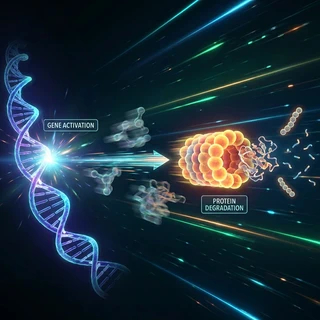
In this study, we employed PROTAC (Proteolysis Targeting Chimera) technology to degrade the BCL11A protein within minutes in human erythroid cells. This acute depletion allowed us to perform a high-temporal-resolution analysis of the molecular events following repressor loss.
We discovered that:
- Rapid Derepression: Fetal hemoglobin (HbF) genes are derepressed within hours of BCL11A degradation.
- Transcription First: Transcriptional activation occurs before significant changes in chromatin accessibility or compartment switching, challenging the view that chromatin opening is always the prerequisite for transcription.
- Proteome Dynamics: We mapped the global proteome changes, identifying specific co-repressors that dissociate from the globin locus upon BCL11A degradation.
This “deep dive” into the kinetics of gene regulation highlights the power of chemical biology tools in dissecting complex biological mechanisms.